


DiversityQ: 2019’s most popular diversity, equity and inclusion articles
DiversityQ reflects on the most popular diversity, equity and inclusion in the workplace articles, with its readers in 2019.

DiversityQ reflects on the most popular diversity, equity and inclusion in the workplace articles, with its readers in 2019.

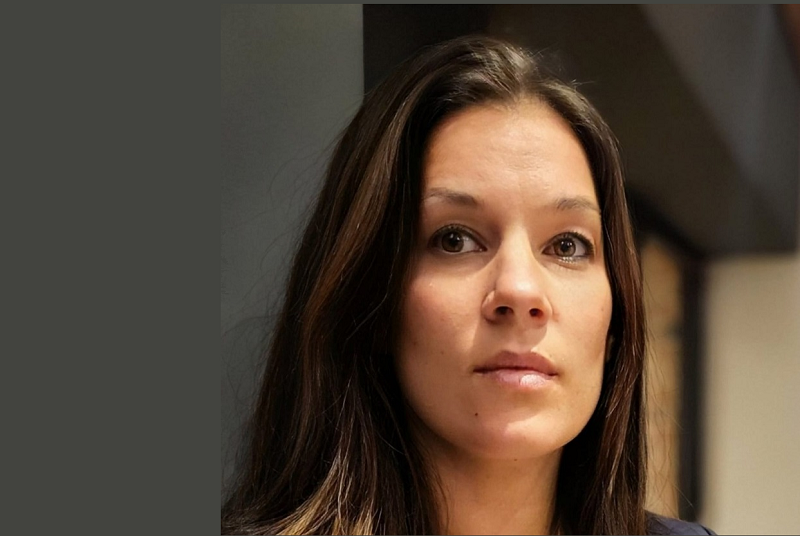
Corporate Clone Syndrome is a thing. Award-winning corporate coach and psychometric trainer Rita Chowdhry explains why.

Ada Ventures will invest £500,000 apiece in 30 tech start-ups run by minorities often overlooked by traditional venture capital.

Frank Recruitment Group Director Danielle Ramsbottom looks at the importance of inclusive job adverts in the IT sector.

Diversity in the workplace is an ongoing hot topic and buzzword in the HR world, but what does it mean in the real world?
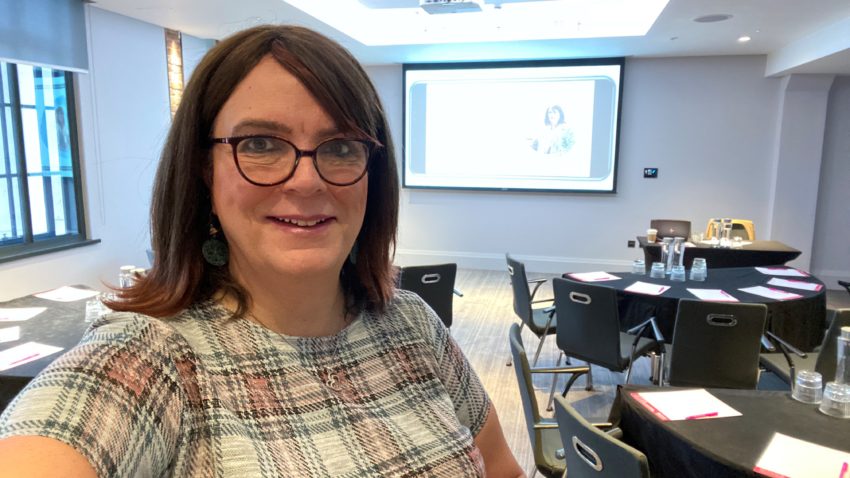
Employers need to do more to support people who are transgender or non-binary and not allow them to be afraid of who they are. Joanne Lockwood, an inclusion and belonging specialist, explains how.
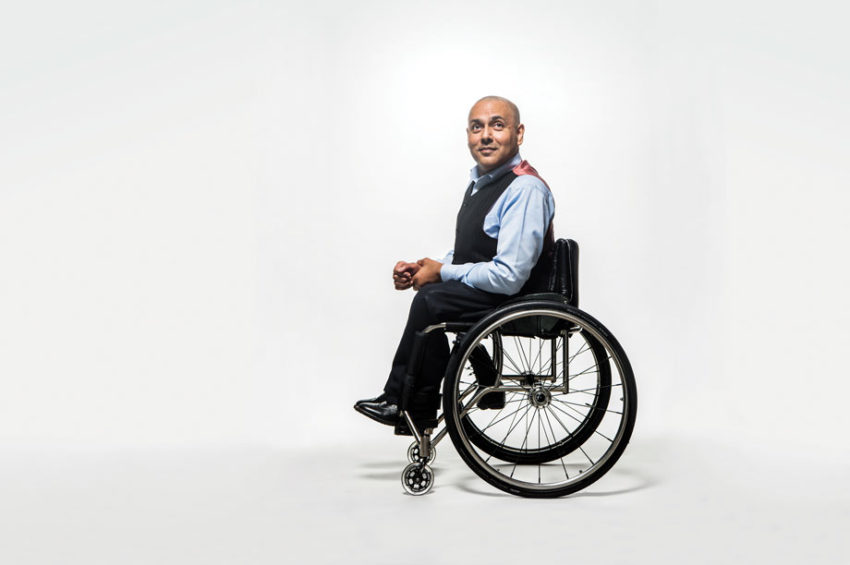
Disability Rights UK CEO highlights the steps that employers need to take to make the workplace inclusive for disabled people.

Hired reveals pay discrepancy and discrimination against diverse people in UK tech with four tips on how to avoid disparities.
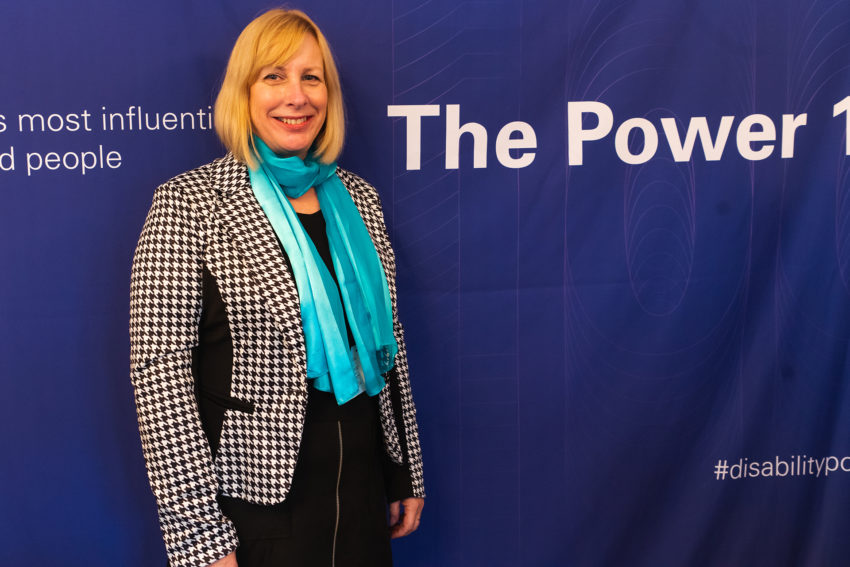
Evenbreak director Jane Hatton, and author of A Dozen Brilliant Reasons to Employ Disabled People, is honoured on Shaw Trust’s Most Influential Disabled People list.

BAME employees face routine discrimination by an “institutionally racist old boy’s network”, claims a new study by Anuranjita Kumar.